Artificial Intelligence in Everyday Life
Artificial Intelligence is transforming the way we interact with technology and the world around us. From personalized recommendations on streaming platforms to advanced medical diagnostics, AI's impact is profound. I'm particularly intrigued by how AI is enhancing various aspects of our daily lives.
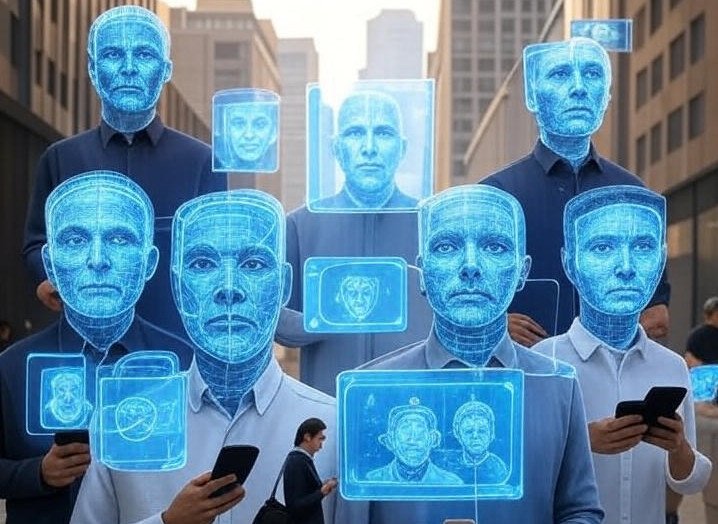
The Ubiquitous AI: Beyond the Buzzword
Personalization and Smart Living
AI's most common role in our daily lives is as a personal assistant, a recommendation engine, and a home manager. Services like Netflix, Spotify, and Amazon use sophisticated AI algorithms to analyze your past behavior and preferences to suggest movies, music, or products you might like. This isn't just a simple filter; it's a real-time, adaptive system that learns from every interaction, making your experience more tailored and efficient. In the home, AI powers smart thermostats, lighting, and security systems that learn your routines to optimize energy use and provide convenience without constant human input. For example, a smart thermostat can learn when you leave for work and return home, automatically adjusting the temperature to save energy.
AI's Role in Healthcare and Medicine
The application of AI in healthcare, particularly in medical diagnostics, is a field I am deeply passionate about. AI algorithms can analyze vast amounts of medical data—from patient histories to radiology images—at a speed and scale impossible for humans. This capability enhances diagnostic accuracy and enables earlier detection of diseases like cancer and diabetic retinopathy. AI-powered tools assist radiologists by automatically identifying potential abnormalities on scans, allowing them to focus on complex cases. This not only speeds up the diagnostic process but also contributes to more precise and personalized treatment plans, ultimately leading to better patient outcomes. The synergy between human expertise and AI's analytical power is a game-changer for modern medicine.
AI and the Creative Process
Art and Design
AI is becoming a powerful creative partner for artists and designers. Tools like Midjourney and DALL-E can generate unique images from text descriptions, while platforms like Canva use AI to help users create professional-looking designs with ease.
Writing and Content Creation
For writers, AI assistants can help with everything from brainstorming ideas to drafting content and refining prose. These tools can save countless hours, allowing creators to focus on the core narrative and creative direction.
Human-AI Collaboration
Ultimately, AI is not here to replace human creativity but to augment it. It serves as a tool that can handle repetitive tasks, provide new perspectives, and unlock creative potential in ways we are only just beginning to understand.
Scientific References
- PricewaterhouseCoopers. (2020). Sizing the prize: What's the real value of AI for your business? Retrieved from pwc.com.
- Russell, S., & Norvig, P. (2021). Artificial Intelligence: A Modern Approach. Pearson.
- Mayo Clinic. (2022). How AI is transforming healthcare. Retrieved from mayoclinic.org.
- National Library of Medicine. (2023). Artificial Intelligence for Medical Diagnostics. Retrieved from ncbi.nlm.nih.gov.
- American College of Radiology. (2023). AI and Radiology: A Primer. Retrieved from acr.org.
- Kravitz, L. (2021). The Scientific Benefits of Interval Walking. IDEA Health & Fitness Association.
- Canva. (2023). Your all-in-one AI assistant. Retrieved from canva.com/ai-assistant.
- Tealium. (2023). Complete Guide to AI-Based Recommendations. Retrieved from tealium.com/blog.